
Drainless vs. Gravity-Drain Under-Counter Ice Makers: Installation, Cost & Maintenance Compared
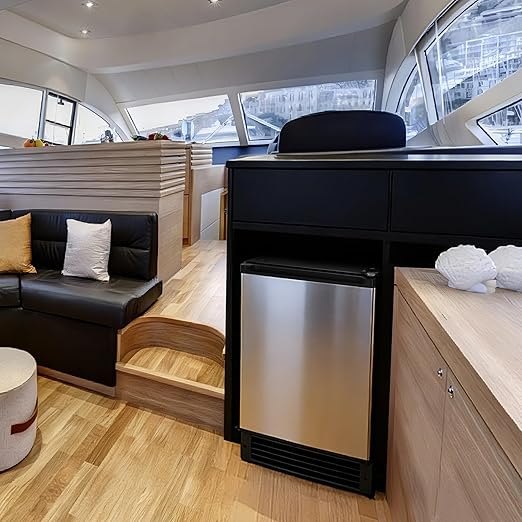
If you’ve shopped for an under-counter or built-in ice maker, you’ve probably noticed the prices look reasonable — until you find out about the drain. For most built-in ice makers, the drain line is the part that turns a simple appliance into a plumbing project. Understanding how each drainage system works is the single biggest decision you’ll make before you buy.
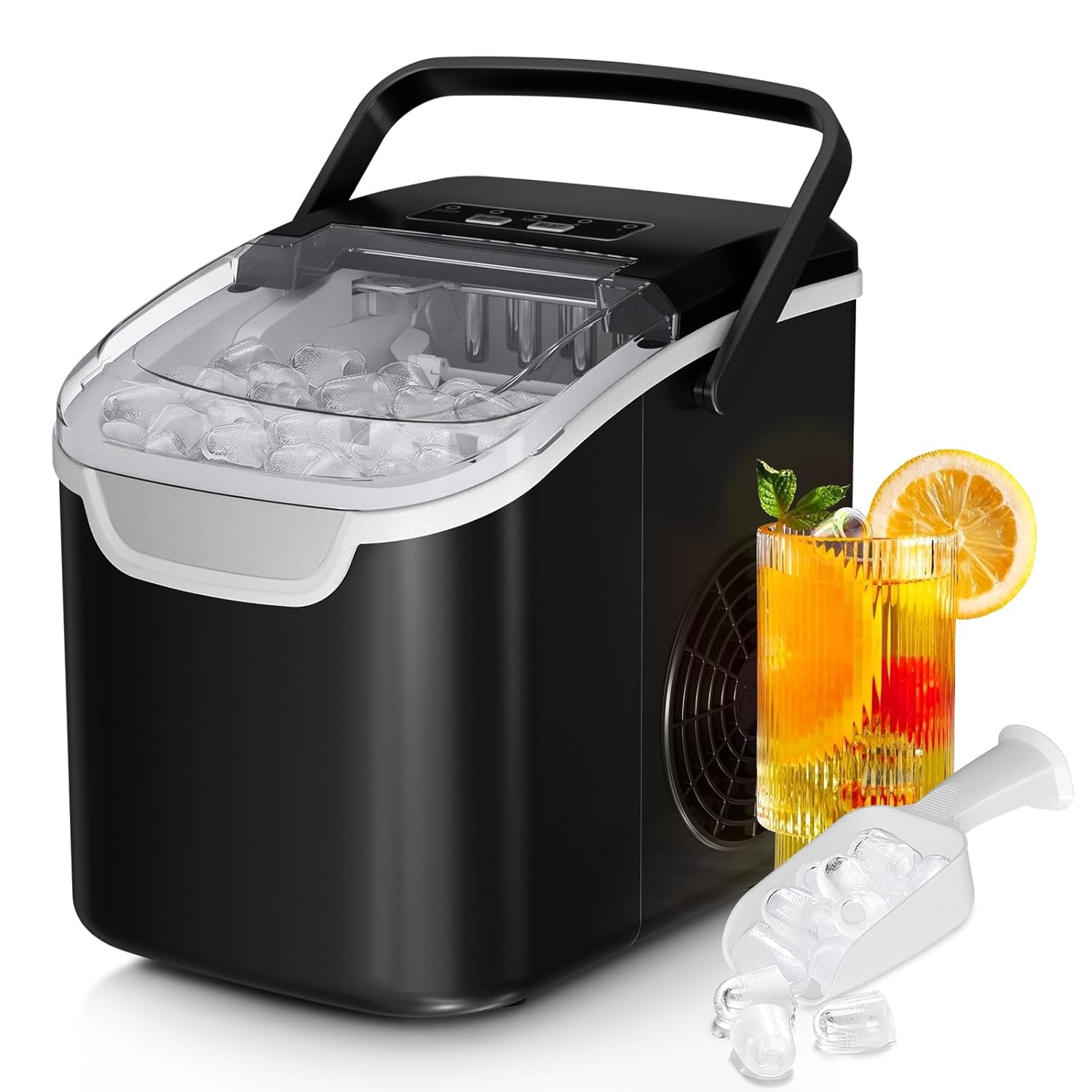
Our top pick
Antarctic Star Portable Countertop Ice Maker
★★★★☆ 4.4 (3,216 Amazon ratings)
~$59 typical price on Amazon
Read the full review →This guide breaks down the three drainage types — drainless, gravity-drain, and pump-drain — and compares them on the three things that actually matter: how hard they are to install, what they really cost, and how much maintenance they need.
Quick comparison
| Drainless | Gravity drain | Pump drain | |
|---|---|---|---|
| How it gets rid of water | Recycles meltwater internally; nothing to drain | Meltwater flows out a hose using gravity | A built-in pump pushes meltwater out |
| Needs a floor/wall drain? | No | Yes — must sit above the drain | Yes, but placement is flexible |
| Install difficulty | Easiest (DIY-friendly) | Hardest (often needs a plumber) | Moderate |
| Best placement | Almost anywhere near a water source | Within reach of a lower drain | Flexible, even away from a drain |
| Typical ice type | Crescent / cube | Clear cube | Clear cube / nugget |
| Best for | Renters, home bars, RVs, boats | Permanent kitchen/bar installs | Awkward spots with no nearby drain |
Short answer: if you don’t already have a drain line where the machine will live — or you don’t want to cut into a cabinet base — a drainless model is by far the simplest. If you’re building a permanent home bar or kitchen with plumbing in place, a gravity-drain unit usually gives you more ice for the money.
How each drainage system works
Drainless
A drainless ice maker still connects to a water line (or a fill reservoir) to make ice, but it doesn’t send waste water anywhere. As stored ice slowly melts, the meltwater drips back into the system and gets re-frozen instead of draining away. The result: no floor drain to plumb, which removes the hardest part of a built-in install.
The trade-off is that the storage bin isn’t a true freezer, so on basic models ice melts over time if you don’t use it. Better drainless units (like the COTLIN reviewed on this site) add a cold-storage system that holds ice near 26–32°F to slow that down.
Gravity drain
A gravity-drain model is the traditional design you’ll find in most commercial-style built-in units. Meltwater runs out through a hose, but it relies on gravity — so the machine has to sit above the drain, and the drain hose has to slope downward the whole way. If your only drain is higher than the machine, gravity drain won’t work without rerouting plumbing.
These units tend to be the cheapest per pound of ice and are built for high output, which is why they dominate the home-bar and light-commercial space (the EUHOMY 100 lb/day reviewed here is a classic example).
Pump drain
A pump-drain ice maker adds a small condensate pump that actively pushes meltwater out, so the drain can be above the machine or several feet away. This buys you placement flexibility at the cost of one more component that can eventually fail. It’s the middle option: more flexible than gravity drain, more complex than drainless.
Installation compared
Installation is where these three really separate.
- Drainless is genuinely DIY-friendly. You connect a water line for filling (or just fill the reservoir on some models), plug it in, and you’re done. No cutting, no drain hose, no slope to plan. This is the only category most renters and RV/boat owners can install themselves.
- Gravity drain is the most demanding. You need a water supply and a properly sloped drain line, with the machine positioned above the drain. Many buyers end up hiring a plumber — which can quietly add a few hundred dollars to the real cost.
- Pump drain sits in between: you still need a drain, but the pump lets you place the unit where gravity alone wouldn’t reach.
Rule of thumb: the further your machine is from an existing drain, the more a drainless or pump-drain model is worth it.
Cost compared
The sticker price isn’t the whole story.
- Drainless units often cost more up front than a comparable gravity-drain model, but they can save you the plumbing bill entirely. For a spot with no nearby drain, that “expensive” drainless unit is frequently the cheaper total project.
- Gravity drain gives you the most ice per dollar at the machine level — but budget for installation if you don’t already have plumbing in place.
- Pump drain carries a small premium for the pump, justified only when placement flexibility actually matters to you.
So the right question isn’t “which is cheapest?” — it’s “what’s the total cost once installation is included for my space?”
Maintenance compared
All ice makers need periodic cleaning and descaling, regardless of drainage type. The differences are small but worth knowing:
- Drainless: because water sits and recirculates, regular descaling and the occasional cleaning cycle matter more for taste and hygiene. Most modern units include a one-touch self-clean cycle. Filtered water helps a lot.
- Gravity / pump drain: the drain line itself can develop buildup over time and benefits from an occasional flush, on top of normal descaling.
In day-to-day use, none of these is high-maintenance — a self-cleaning cycle every few weeks and filtered water cover most of it.
Which one should you buy?
- Choose drainless if you rent, want a true DIY install, are putting it in an RV, boat, or home bar with no nearby drain, or simply don’t want plumbing work. See our hands-on COTLIN drainless under counter ice maker review.
- Choose gravity drain if you’re doing a permanent kitchen or bar install with plumbing already in place and you want maximum ice output for the money. See our EUHOMY 100 lb/day built-in ice maker review.
- Choose pump drain if you need a drained unit but the only drain is in an awkward spot the machine can’t sit above.
Still deciding which ice maker fits your space? Start with our best countertop ice makers guide for our full lineup of tested and ranked picks.
Frequently asked questions
Do all under-counter ice makers need a drain?
No. Gravity-drain and pump-drain models do, but drainless models recycle meltwater internally and need no floor drain at all.
Is drainless ice as good as gravity-drain ice?
The ice itself is fine — drainless units typically make crescent or cube ice. The main difference is that basic drainless bins aren’t refrigerated, so ice can melt back over time unless the model has a cold-storage system.
Can I install a drainless ice maker myself?
In most cases yes — you connect a water line (or fill the reservoir) and plug it in. That’s the core reason renters and RV owners choose drainless.
Why are gravity-drain ice makers cheaper but harder to install?
The design is simpler and mass-produced for home-bar and light-commercial use, so the machines cost less — but they require a sloped drain line and the right placement, which often means hiring a plumber.
ChefKit Prime independently reviews ice makers. We may earn a commission from qualifying purchases at no extra cost to you. See our affiliate disclosure for details.