
How to Clean a Countertop Ice Maker (Step-by-Step Descaling Guide)

A countertop ice maker churns out batch after batch of ice in a warm, wet environment — which is exactly the kind of place where mineral scale, mold, and slime love to build up. The good news is that cleaning one takes about 20 minutes and only needs supplies you already have. This guide walks you through descaling and sanitizing your machine the right way, how often to do it, and the mistakes that quietly damage the pump.
Our top pick
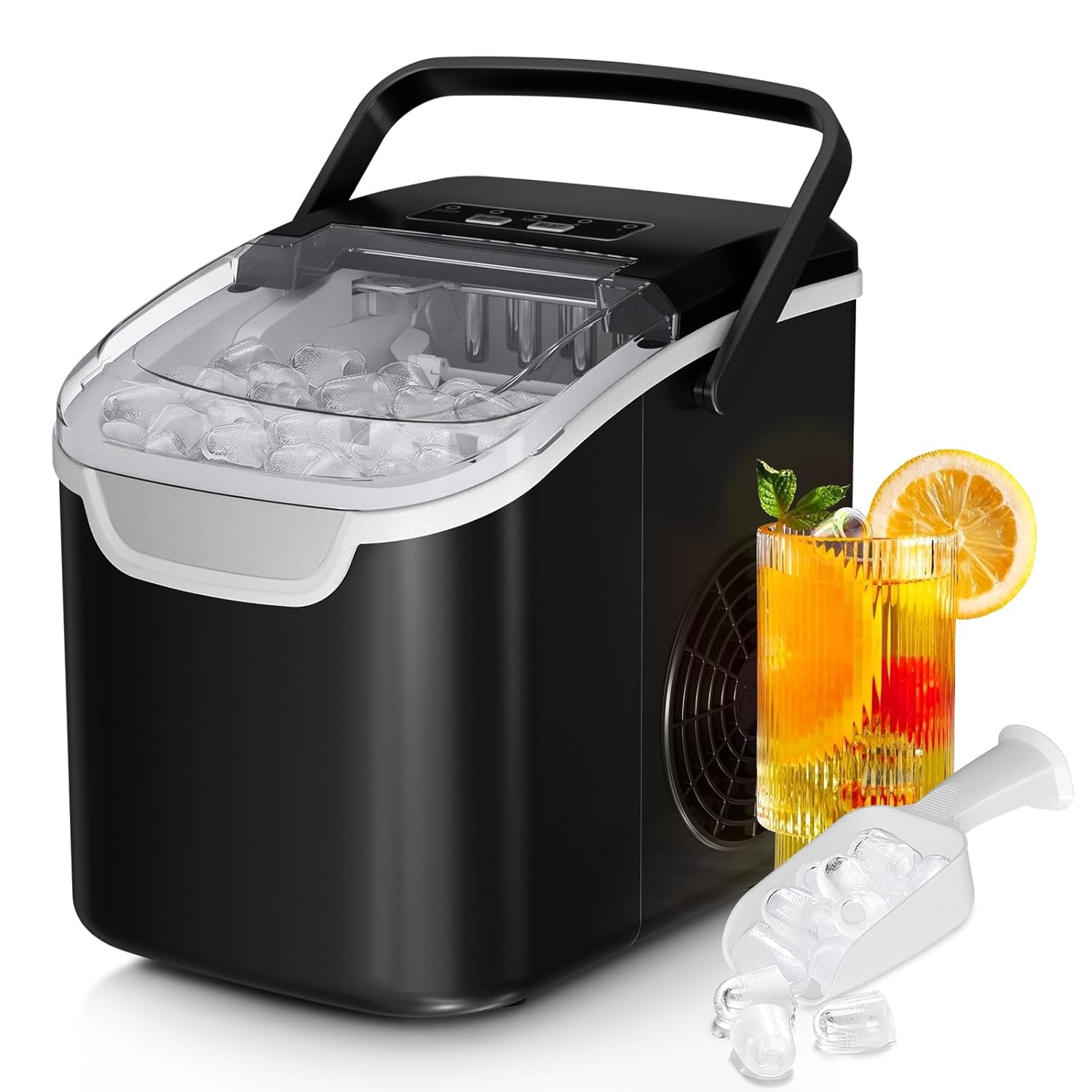
Antarctic Star Portable Countertop Ice Maker
★★★★☆ 4.4 (3,216 Amazon ratings)
~$59 typical price on Amazon
Read the full review →Why cleaning matters more than people think
Two things accumulate inside an ice maker: mineral scale from hard water (the white, chalky residue), and biofilm — a thin slimy layer of bacteria and mold that forms wherever standing water sits. Scale clogs the water pump and makes ice cloudy and slow. Biofilm makes your ice smell and taste off, and it’s a hygiene problem because that ice goes straight into drinks. Regular cleaning fixes both.
What you’ll need
- White vinegar or food-grade citric acid (1 tablespoon per cup of water)
- Clean water for rinsing
- A soft cloth or sponge
- A small soft brush or cotton swabs for corners
- Optional: a dedicated nickel-safe ice machine cleaner
Avoid undiluted bleach, harsh chemical cleaners, and anything abrasive — they can corrode the internal components and leave residue in your ice.
Step-by-step: cleaning your ice maker
- Unplug and empty. Switch off the machine, remove any ice, and drain the water reservoir completely using the drain plug underneath.
- Mix your solution. Combine one part white vinegar (or 1 tbsp citric acid) with ten parts water. Pour it into the water reservoir up to the max line.
- Run a cleaning cycle. Plug in and start a normal ice-making cycle. Let the solution circulate through the pump and over the evaporator. When ice forms, discard it — don’t use this batch. Repeat for two cycles so the acid dissolves the scale.
- Drain and scrub. Empty the reservoir again. Wipe the interior, the ice basket, and the scoop with your cloth. Use the brush or swabs to reach the corners and around the water-fill nozzles where biofilm hides.
- Rinse thoroughly. Fill with fresh water and run one or two more cycles with plain water to flush out every trace of vinegar. Discard this ice too. If the first plain batch still smells of vinegar, run one more.
- Air dry. Leave the lid open for a few hours so the interior dries fully before storing or using. Drying is what keeps mold from coming straight back.
How often should you clean it?
For daily use, do a full descale every one to two weeks. If your tap water is hard, lean toward weekly. Wipe the basket and reservoir more often. Many newer models have a self-clean button that runs the circulation cycle for you — but you still need to add the vinegar solution and physically wipe the interior, because the button can’t scrub away biofilm on its own.
Hard water? Consider what you’re filling it with
If you constantly fight scale, the water going in is usually the culprit. Filling with filtered or distilled water dramatically reduces buildup and gives you clearer, better-tasting ice. This is also why the ice type matters: dense, slow-melting ice from a quality machine shows scale less than fast, hollow ice. If you’re shopping, our comparison of the best countertop ice makers notes which models have easy-drain designs that are simplest to keep clean.
Mistakes that damage your machine
- Skipping the rinse. Leftover vinegar makes the next few batches taste sour and can irritate the pump seals over time.
- Using bleach at full strength. It corrodes metal parts and is hard to flush out completely.
- Never draining fully. Standing water between uses is the number-one cause of slime and odor. Always drain if you won’t use it for a few days.
- Forcing the ice basket or nozzles. Use a soft brush, not a knife or scraper, around the delicate fill points.
Frequently asked questions
Can I use lemon juice instead of vinegar?
Citric acid is the active ingredient in both, so food-grade citric acid powder works even better than vinegar and leaves less smell. Bottled lemon juice works in a pinch but is weaker and stickier, so rinse extra well.
Why does my ice still taste bad after cleaning?
Usually it’s an incomplete rinse or a hidden pocket of biofilm around the water nozzles. Run an extra plain-water cycle and gently brush the fill points. If the taste persists, the water you’re using may be the source — try filtered water.
Do I need to clean a brand-new ice maker before first use?
Yes. Run two or three plain-water cycles and discard the ice to flush out any manufacturing residue before making ice you’ll actually use.
How do I clean a nugget ice maker differently?
The descaling process is the same, but nugget machines have an auger and more internal surfaces, so they need slightly more frequent cleaning. See our nugget ice maker review for model-specific maintenance notes.
Keep your machine clean and it will keep paying you back in clear, fresh ice for years. Ready to upgrade? Start with our countertop ice maker pick.