
How Much Electricity Does a Countertop Ice Maker Use?
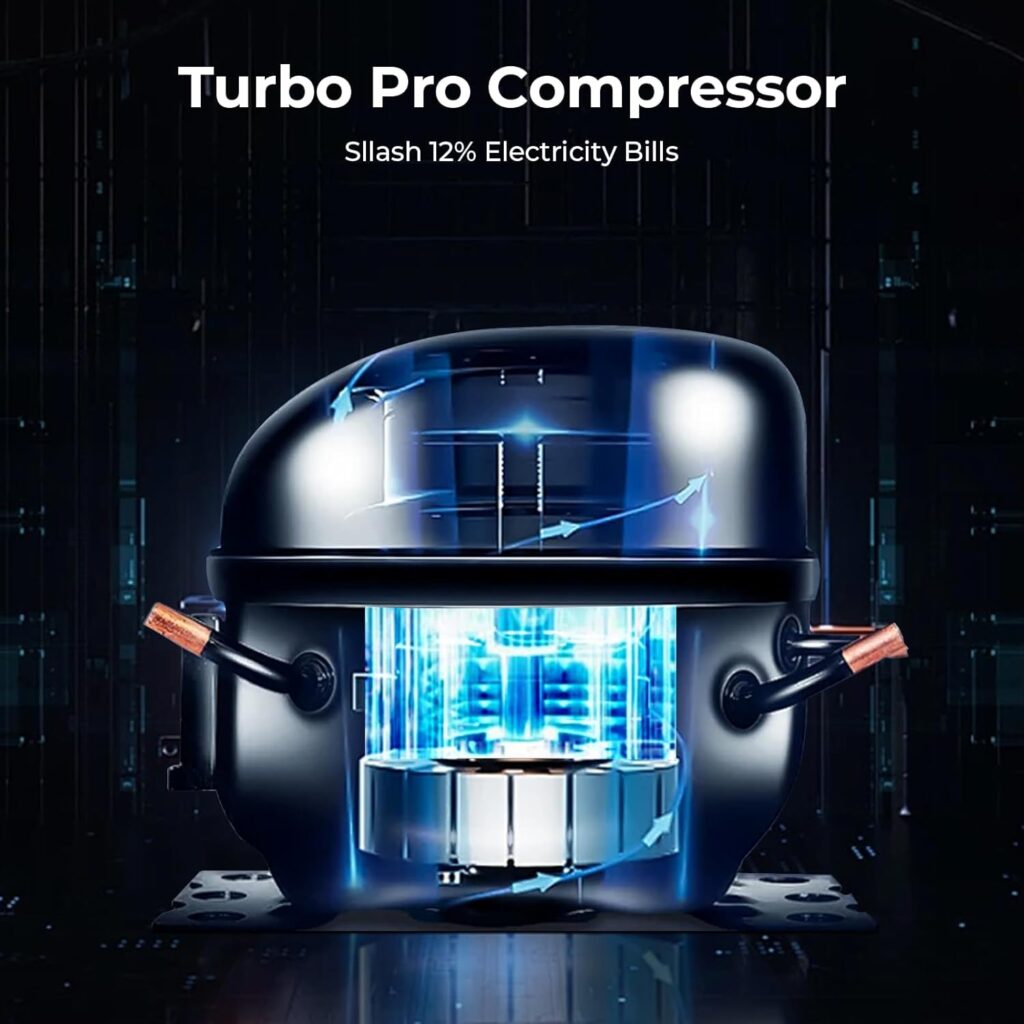
Before you add a countertop ice maker to your kitchen, it’s fair to ask what it’ll do to your electricity bill. The short answer: very little. Countertop ice makers are surprisingly efficient appliances, but the exact cost depends on how much ice you make and your local electricity rate. Here’s the real math.
Our top pick
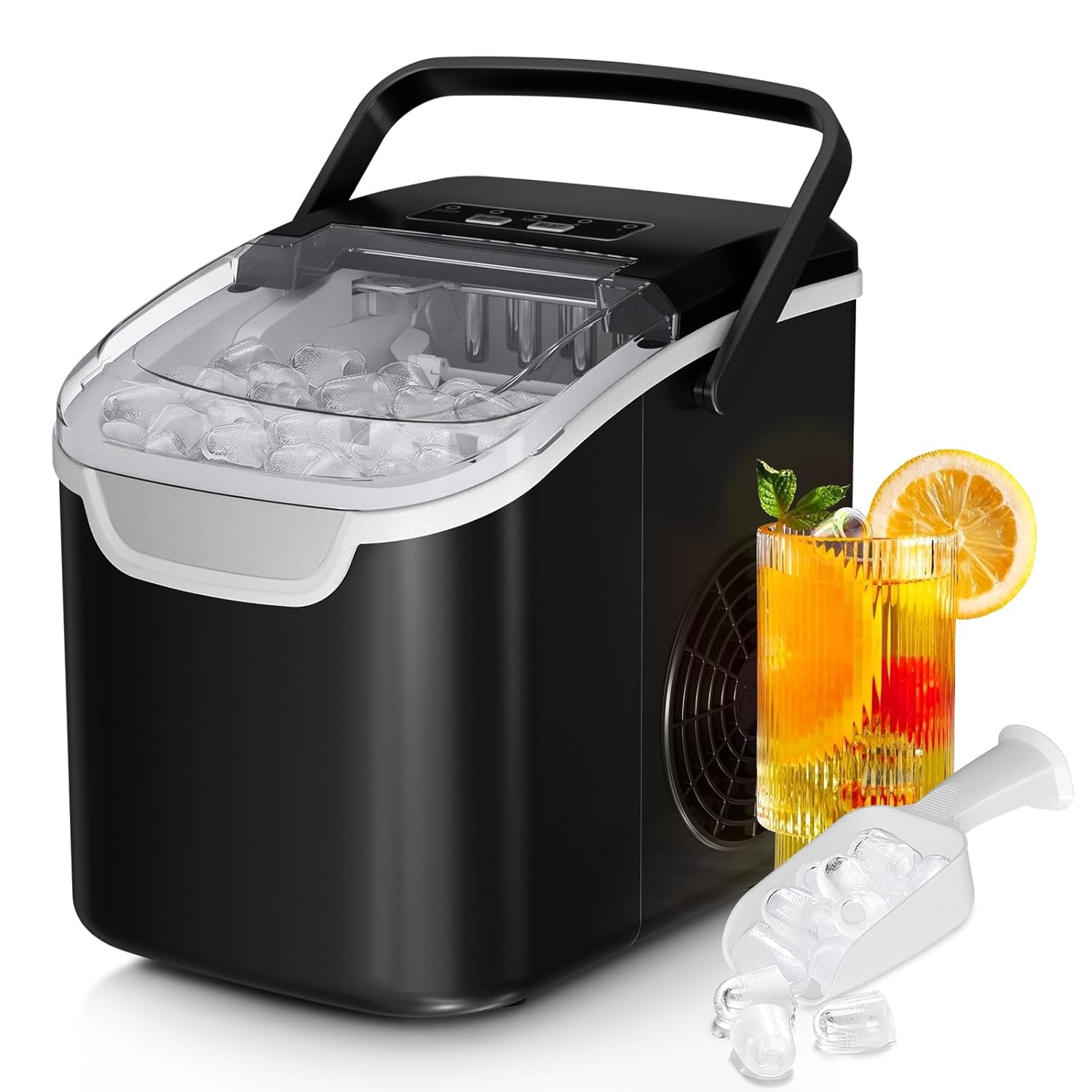
Antarctic Star Portable Countertop Ice Maker
★★★★☆ 4.4 (3,216 Amazon ratings)
~$59 typical price on Amazon
Read the full review →How much power does a countertop ice maker draw?
Most countertop ice makers use a small compressor rated between 100 and 150 watts while actively making ice. That’s roughly the same as a couple of old-style light bulbs, or about a tenth of what a microwave pulls. Larger nugget and under-counter machines draw more — up to 200–350 watts — because they run bigger compressors and augers.
Crucially, the machine doesn’t draw full power constantly. Once the basket is full, it idles and only sips power to stay ready, then kicks back in when ice melts or is removed.
The daily and monthly math
Let’s estimate a typical 120-watt countertop model running its compressor for about 8 hours of actual ice-making across a day of regular use:
- 120 watts × 8 hours = 0.96 kWh per day
- 0.96 kWh × 30 days = ~29 kWh per month
At the U.S. average electricity rate of around $0.17 per kWh, that’s roughly $5 per month, or about $0.16 per day. Even with heavy summer use, most households land between $3 and $8 a month. Light, occasional users pay pennies.
What changes the cost
- How much ice you make. The compressor only runs when producing. Make ice for a party, then let it idle, and your cost drops.
- Room temperature. In a hot kitchen the machine works harder and longer per batch, using more power. A cool, ventilated spot is cheaper to run.
- Machine size and ice type. Nugget and under-counter units use more electricity than a simple bullet-ice machine. Our nugget ice maker review notes the higher draw of that style.
- Scale buildup. A scaled-up machine runs longer to make the same ice, quietly raising consumption. Regular descaling keeps it efficient — here’s how to clean it.
- Your electricity rate. Rates vary widely by region; multiply the kWh figures above by your own per-kWh price for an exact number.
Are countertop ice makers energy-efficient?
Compared to alternatives, yes. Running a countertop ice maker is far cheaper than repeatedly buying bagged ice, and it uses a fraction of the energy of a full refrigerator’s ice system because it isn’t also keeping a large space cold around the clock. For RVs and off-grid setups, low power draw is especially important — you want a model that won’t overload an inverter or drain a battery bank quickly. Our best ice maker for RV and camping guide focuses on exactly that.
Tips to keep running costs down
- Place the machine in a cool, well-ventilated spot, out of direct sun
- Descale every 1–2 weeks so cycles stay short
- Use cold water so the compressor doesn’t work to cool it first
- Turn it off (or let it idle) when you don’t need a constant supply
- Keep 4–6 inches of ventilation clearance so it doesn’t overheat and over-run
Frequently asked questions
How many watts does a countertop ice maker use?
Typically 100–150 watts while actively making ice for standard bullet-ice models, and 200–350 watts for larger nugget or under-counter machines. They draw far less when idling with a full basket.
Is it cheaper to make ice or buy it?
Making it. At roughly $5 a month for regular use, a countertop machine pays for itself quickly versus buying bags of ice, especially in summer or if you entertain often.
Does leaving an ice maker on all day waste electricity?
Not much. Once the basket is full the machine idles and uses very little power. That said, turning it off when you don’t need a steady supply will trim a few dollars off the monthly cost.
Will an ice maker run on a power inverter or solar setup?
Many will, but check the wattage. A 100–150 watt model needs an inverter rated comfortably above its peak start-up draw (compressors spike briefly on start). For RV and off-grid use, choose a model designed for low, stable power use.
Bottom line: a countertop ice maker costs about the price of a coffee per month to run. If that math works for you, see our best countertop ice makers comparison to pick one.