
Why Is My Ice Maker Not Making Ice? 8 Causes and Fixes
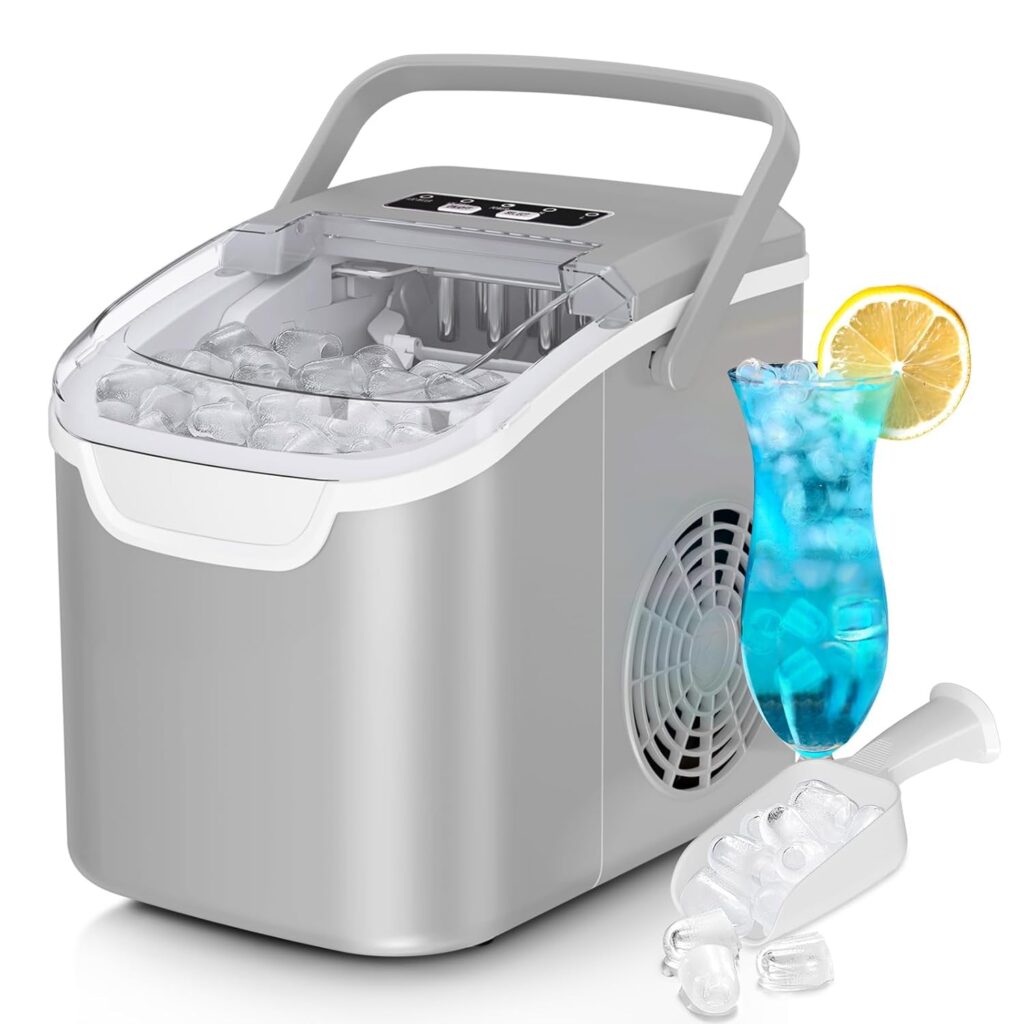
Your countertop ice maker is plugged in and running, but the basket stays empty — or the ice comes out tiny and hollow. Before you assume it’s broken, know that most “not making ice” problems come down to a handful of simple causes you can fix in minutes. Here are the eight most common reasons, in the order worth checking.
Our top pick
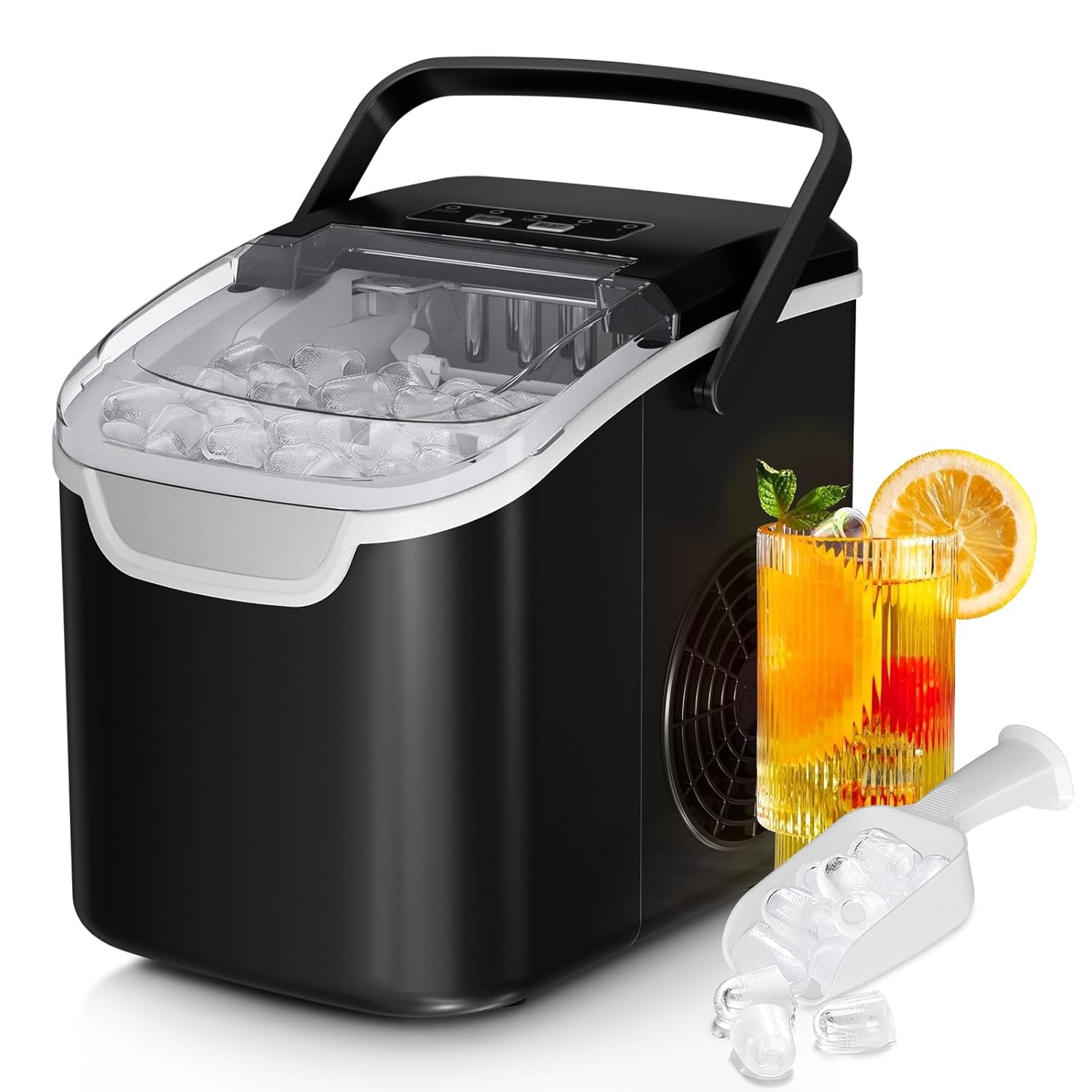
Antarctic Star Portable Countertop Ice Maker
★★★★☆ 4.4 (3,216 Amazon ratings)
~$59 typical price on Amazon
Read the full review →1. The water level is too low
Ice makers need a minimum amount of water to start a cycle. If the reservoir is below the fill line, the pump can’t draw water over the freezing element and the machine either stops or makes thin, partial ice. Fix: fill to the max line with cool (not warm) water and restart.
2. The room is too warm
This is the single most overlooked cause. Countertop ice makers struggle in hot rooms because the compressor has to fight the ambient heat. Above roughly 90°F / 32°C, cycles slow dramatically or ice melts in the basket as fast as it forms. Fix: move the machine out of direct sun, away from the oven, and give it breathing room. Ice makers run best between 50°F and 90°F.
3. Not enough ventilation clearance
The compressor vents heat from the sides and back. Pushed into a tight corner or against a wall, it overheats and throttles down. Fix: leave at least 4–6 inches of clearance on all vented sides.
4. Mineral scale is clogging the system
Hard-water scale builds up on the pump and evaporator, slowing water flow and insulating the freezing surface so ice forms poorly or not at all. If your ice has been getting smaller and cloudier over weeks, this is likely the cause. Fix: run a full descaling cycle — our step-by-step cleaning guide walks through it.
5. The “ice full” sensor is blocked or fooled
Most machines use an infrared sensor or a mechanical flap to detect a full basket and pause production. If ice piles up against the sensor, or the sensor window is wet or dirty, the machine thinks it’s full and stops — even when it isn’t. Fix: level the ice in the basket, wipe the sensor area dry, and make sure the basket is seated correctly.
6. The machine isn’t level
An ice maker tilted on an uneven counter won’t circulate water evenly, leading to malformed ice or stalled cycles. Fix: set it on a flat, stable surface and let it sit for a few minutes before restarting.
7. It was just moved or tilted
Like a fridge, an ice maker’s compressor needs the refrigerant to settle after the unit has been tipped or transported. Running it too soon can prevent cooling. Fix: if you just moved it, let it stand upright for 2–4 hours before switching it on.
8. The water is too warm, or the cycle keeps “recycling”
Pouring in warm water forces the machine to cool it before it can freeze, wasting a cycle. Some units will repeatedly melt and refreeze, so you see water but little ice. Fix: always start with cold water, and don’t open the lid mid-cycle — it lets warm air in and resets progress.
When it’s actually a fault
If you’ve checked all eight and the machine still won’t produce, listen for the compressor. A unit that’s silent (no faint hum) or that clicks on and off rapidly may have a compressor or control-board fault — that’s a warranty matter, not a DIY fix. A machine that makes water but never freezes, despite a cool room and a clean system, likely has a refrigerant or sealed-system issue and should be returned or serviced.
Prevention checklist
- Descale every 1–2 weeks; weekly with hard water
- Keep 4–6 inches of ventilation clearance
- Use cold, filtered water
- Keep it out of hot, sunny spots
- Drain fully when not in use for several days
Frequently asked questions
Why is my ice maker making ice but it melts immediately?
Countertop machines aren’t freezers — they don’t keep ice frozen. The basket is insulated but not refrigerated, so ice slowly melts and the water recycles into the next batch. In a warm room this happens faster. Transfer ice to your freezer if you need to store it.
Why is my ice maker ice so small and thin?
Thin, hollow ice usually means short cycles caused by warm water, a warm room, or scale buildup. Many models also let you choose a cube size — set it to large and make sure the water is cold.
How long should an ice maker take to make the first batch?
Most countertop units produce the first batch of bullet ice in 6–15 minutes. If yours takes much longer, check room temperature and scale first.
Could the wrong ice maker be the problem?
Sometimes the unit just isn’t built for the demand or the environment. If you run an RV or a hot space, a model designed for those conditions performs far better — see our best ice maker for RV and camping pick.
Most empty baskets trace back to heat, water, or scale — not a broken machine. Run through the list above and you’ll usually be back in ice within the hour.